
Introduction: Why Avoiding Digital Marketing Mistakes Matters

Digital marketing has become one of the most effective ways for businesses to reach their target audience, build brand awareness, and increase revenue. However, many businesses fail to achieve their goals because they make avoidable mistakes that reduce their marketing effectiveness. Whether you are a startup, small business, or established organization, understanding these common pitfalls is essential for creating successful campaigns.
Therefore, businesses must continuously adapt their strategies while avoiding practices that negatively affect performance. This guide explains the most common digital marketing mistakes and provides practical solutions to help you improve your digital marketing, strengthen SEO, increase website traffic, improve lead generation, and maximize conversions.
1. Starting Without a Clear Digital Marketing Strategy
One of the biggest mistakes businesses make is launching marketing campaigns without a well-defined strategy. Many companies publish content, run advertisements, and post on social media without setting measurable objectives. As a result, their efforts become inconsistent, and they struggle to measure success. Instead, businesses should develop a comprehensive marketing plan before investing time and money. Define your target audience, marketing goals, preferred channels, budget, and key performance indicators. Consequently, every campaign supports your business objectives while producing measurable results.
2. Ignoring Search Engine Optimization (SEO)

Many businesses create excellent content but fail to optimize it for search engines. Without proper SEO, even high-quality content may never reach its intended audience. Consequently, businesses lose valuable opportunities to generate organic traffic and qualified leads. To avoid this mistake, perform keyword research before creating content. Optimize page titles, meta descriptions, headings, images, and internal links while naturally incorporating relevant keywords. Furthermore, publish valuable content consistently to improve your website’s authority and search engine rankings.
3. Publishing Low-Quality or Inconsistent Content
Content remains the foundation of successful content marketing. Unfortunately, many businesses publish content only occasionally or prioritize quantity over quality. Consequently, audiences lose interest, and search engines reduce the website’s visibility. Instead, create informative, engaging, and original content that addresses customer questions and solves real problems. Develop a content calendar to maintain consistency and ensure every article provides genuine value. As a result, your audience will trust your expertise and return for additional information.
4. Failing to Understand the Target Audience
One of the most Common Digital Marketing Mistakes is failing to understand customer needs, preferences, and behaviors. However, many businesses create generic campaigns that try to appeal to everyone instead of focusing on specific customer segments. Consequently, marketing messages become less relevant and generate fewer conversions. To avoid these Common Digital Marketing Mistakes, conduct market research, analyze customer data, and develop detailed buyer personas. Additionally, monitor customer feedback to understand changing expectations. Therefore, your marketing campaigns become more personalized, engaging, and effective, helping your business achieve better results.
5. Neglecting Social Media Marketing
Social media platforms provide valuable opportunities to connect directly with customers. Nevertheless, some businesses either ignore social media completely or post inconsistent and overly promotional content. As a result, they miss opportunities to build relationships and increase brand awareness.Instead, create a balanced social media strategy that combines educational, entertaining, and promotional content. Engage with followers by responding to comments, answering questions, and encouraging discussions. Consequently, your business develops stronger customer relationships and greater online visibility.
6. Ignoring Mobile Users and Website Performance
Today, most internet users browse websites using smartphones. Therefore, businesses that ignore mobile optimization risk losing a significant portion of their audience. Slow loading times, poor navigation, and unresponsive layouts often cause visitors to leave immediately.Ensure your website uses responsive design and delivers an excellent user experience across every device. Furthermore, optimize website speed by compressing images, reducing unnecessary scripts, and improving server performance. Consequently, visitors remain engaged while search engines reward your website with better rankings.
7. Running Advertising Campaigns Without Proper Optimization
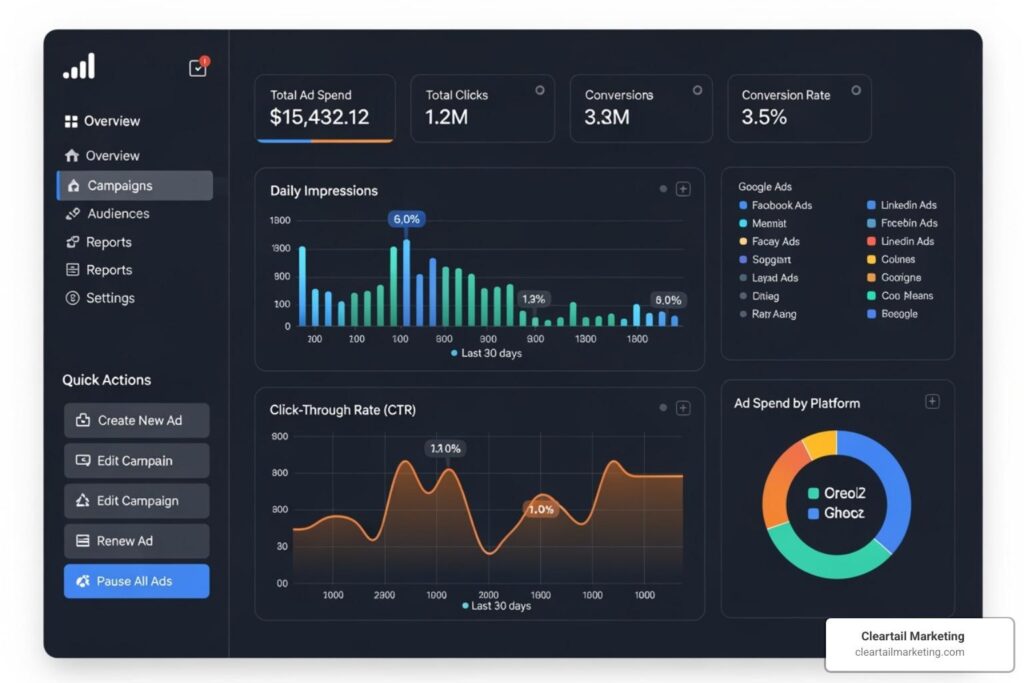
Paid advertising can generate excellent results when managed correctly. However, businesses frequently launch campaigns without testing different audiences, headlines, or calls to action. Consequently, advertising budgets become inefficient, and return on investment decreases.Instead, continuously monitor campaign performance and perform A/B testing. Analyze click-through rates, conversion rates, and customer behavior before making adjustments. As a result, your advertising campaigns become more efficient while producing higher-quality leads.
8. Failing to Measure Marketing Performance
Many businesses invest heavily in marketing but rarely evaluate the results. Without performance analysis, organizations cannot identify successful strategies or recognize areas requiring improvement. Consequently, ineffective campaigns continue consuming valuable resources.Use analytics tools such as Google Analytics and social media insights to monitor important metrics. Track website traffic, bounce rates, conversion rates, customer engagement, and return on investment. Furthermore, review these reports regularly to refine your marketing strategy and improve long-term performance.
9. Forgetting Strong Calls to Action
Even informative content may fail to generate results if readers do not know what action to take next. Many businesses overlook the importance of clear calls to action, leaving visitors without guidance. Consequently, valuable opportunities for lead generation disappear.Every blog post, landing page, and advertisement should include a compelling call to action. Encourage visitors to subscribe to newsletters, request consultations, download resources, or contact your business. Therefore, your marketing efforts produce measurable business outcomes instead of simply generating website visits.
10. Embracing Continuous Improvement
Search engine algorithms, consumer preferences, and technology continue to evolve. Therefore, businesses that refuse to adapt often experience declining performance over time. Develop a culture of continuous learning and improvement. Stay informed about industry trends, attend professional training, and regularly update your marketing strategies. Consequently, your business remains competitive while consistently delivering better customer experiences.
Conclusion: Build Success by Avoiding Common Mistakes

Avoiding Common Digital Marketing Mistakes is essential for achieving sustainable online growth. Businesses that invest in SEO, create valuable content marketing strategies, optimize websites for mobile users, understand their target audience, and measure campaign performance consistently outperform competitors. By identifying and avoiding Common Digital Marketing Mistakes, businesses can improve lead generation, increase website traffic, and achieve higher conversion rates.
Ultimately, success in digital marketing requires careful planning, consistent execution, and continuous improvement. Learning from Common Digital Marketing Mistakes and applying proven best practices will help strengthen your online presence, build customer trust, and achieve long-term success in today’s competitive digital marketplace..
Frequently Asked Questions
1. What is the most common digital marketing mistake?
The most common mistake is starting marketing campaigns without a clear strategy and measurable goals.
2. Why is SEO important in digital marketing?
SEO improves your website’s visibility in search engines, helping attract qualified organic traffic and potential customers.
3. How often should businesses publish content?
Businesses should publish high-quality content consistently, whether weekly, biweekly, or monthly, depending on their resources.
4. Why should businesses track marketing analytics?
Analytics help identify successful campaigns, measure return on investment, and improve future marketing decisions.
5. How can businesses improve digital marketing results?
Businesses should focus on quality content, SEO, responsive websites, audience research, performance analysis, and continuous optimization to achieve long-term success.